🛒 Buy on FDCM.eu
🌱 Plant-Based Protein · B2B Bulk EU

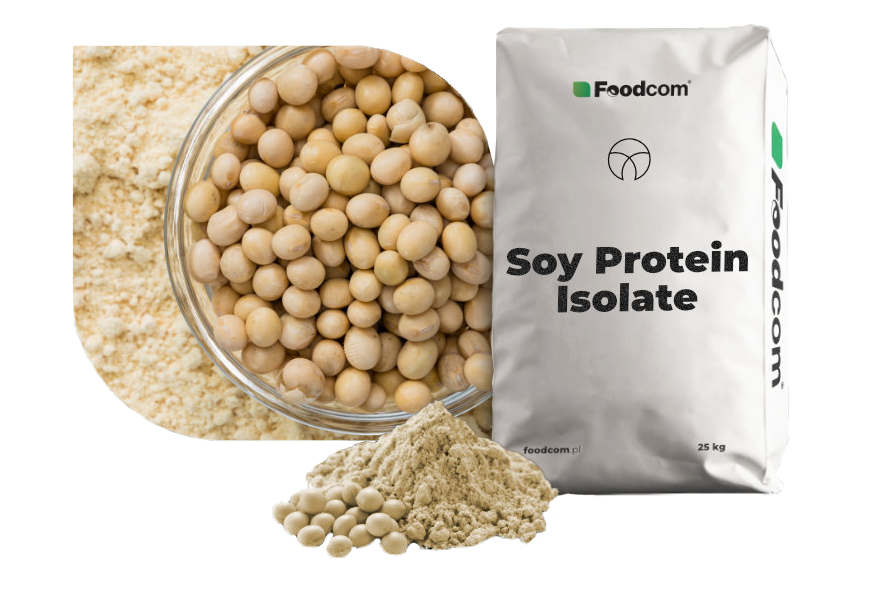
Soy Protein IsolateSPI 90% Bulk

Premium non-GMO Soy Protein Isolate with ≥90% protein and PDCAAS 0.99 — the gold-standard plant protein for food formulators, sport nutrition and pet food across EU27. Technical-grade data, formulation guides and B2B pricing for procurement and R&D teams.

✓ Non-GMO Certified ✓ IP Documented ✓ CoA with every order ✓ EU27 delivery
Soy Protein Isolate bulk powder SPI 90% FDCM EU
✓ In Stock · Ships from Warsaw, PL
≥90%Protein
0.99PDCAAS
20 kgMin. Order
EUCertified
🛒 View product on FDCM.eu →
≥90%Protein Content
≤1%Fat Content
0.99PDCAAS
25 kgStandard Bag
EUOrigin
4hB2B Response
EU27Coverage
Product Overview

What is Soy Protein Isolate (SPI)?

Soy Protein Isolate (SPI) is the most refined form of soy protein, produced by removing the majority of fats and carbohydrates from defatted soy flour through a multi-step extraction and precipitation process. The result is a highly concentrated protein powder containing ≥90% crude protein on a dry basis — significantly higher than soy protein concentrate (65–70%) or soy flour (50–55%).

The manufacturing process begins with hexane-extracted or mechanically pressed defatted soy flakes. These are dissolved in alkaline water (pH 8–9) to solubilise the proteins, leaving behind the insoluble fibre fraction. The protein-rich extract is then acidified to approximately pH 4.5 — the isoelectric point of soy protein — causing the proteins to precipitate. After centrifugation, the curd is neutralised, spray-dried and milled to the required particle size.

SPI contains two major storage protein fractions: β-conglycinin (7S) and glycinin (11S). The ratio of these fractions determines the functional properties of the isolate — 7S-dominant grades excel in emulsification and foaming, while 11S-dominant grades form stronger heat-set gels for texturised meat analogues. FDCM supplies both standard-grade and PDI-specified SPI depending on the application.

Technical Data

Product Specifications

Standard specification for FDCM Soy Protein Isolate. Full Certificate of Analysis (CoA) — including amino acid profile, heavy metals, microbiological and pesticide residue data — provided with every shipment.

ParameterSpecificationTest Method
Protein Content (dry basis)≥ 90.0%Kjeldahl N×6.25
Moisture≤ 7.0%105°C / 3h
Fat Content≤ 1.0%Soxhlet
Crude Fibre≤ 0.5%AOAC 985.29
Ash≤ 7.0%550°C / 4h
PDCAAS Score0.99FAO/WHO method
Total Plate Count≤ 30,000 CFU/gISO 4833
SalmonellaAbsent / 25gISO 6579
E. coli≤ 10 CFU/gISO 16649
Particle Size≥ 95% passing 80 meshSieve
Shelf Life24 monthsFrom production date
Packaging20 kg multi-layer paper bag—

* Values represent typical guaranteed analysis. Full CoA with each shipment. Contact contact@fdcm.eu to request specifications for specific grades (PDI, organic, non-GMO).

Protein Quality

PDCAAS 0.99 — Understanding SPI's Protein Quality Score

The PDCAAS (Protein Digestibility-Corrected Amino Acid Score) is the internationally accepted method for evaluating protein quality in human nutrition, as recommended by the FAO/WHO. It combines two factors: the amino acid profile relative to human requirements, and the protein digestibility.

SPI achieves a PDCAAS of 0.99 — the highest possible score, capped at 1.0 by convention. This places SPI alongside casein, whey and egg white as a "complete" protein source, meaning it provides all nine essential amino acids in adequate quantities relative to human needs. This is exceptional for a plant-derived protein and explains why SPI dominates vegan sport nutrition formulations where leucine adequacy and overall amino acid completeness are critical.

The newer DIAAS (Digestible Indispensable Amino Acid Score), which measures amino acid digestibility at the small intestine level rather than whole-protein digestibility, scores SPI at approximately 0.90–0.98 depending on processing method and heat treatment history. This remains significantly above pea protein (DIAAS ~0.64–0.82) and rice protein (DIAAS ~0.37–0.47).

Data Analysis

Technical Profile — Charts & Data

Protein & Fat Content Comparison

SPI vs. WPC 80, WPI 90, Pea Protein, Rice Protein — dry basis

Solubility vs. pH Profile

Minimum at isoelectric point (pI ≈ 4.5) — critical for beverage & emulsion formulation

Amino Acid Profile — per 100g protein (g)

SPI delivers all nine essential amino acids. Glutamic acid dominates the profile, contributing umami taste in plant-based meat applications.

Glutamic acid
19.8g
Aspartic acid
11.4g
Arginine
7.6g
Leucine
7.8g
Lysine
6.2g
Phenylalanine
5.1g
Valine
4.9g
Isoleucine
4.6g
Threonine
3.9g
Methionine
1.3g

Functional Properties — SPI vs. Competing Proteins (score 1–9)

SPI leads in emulsification, gelation and film formation. Amber dots indicate highest-tier scores (≥8).

PropertySPIWPC 80Pea Prot.
Water Binding
Oil Emulsification
Gelation
Foam Stability
Film Formation
Side-by-Side Comparison

SPI vs. All Major Protein Sources — Full Comparison

Technical, nutritional and commercial comparison of SPI against WPC 80, WPI 90, pea protein isolate and rice protein concentrate for EU food manufacturers.

Property SPI 90% WPC 80 WPI 90 Pea Protein 80% Rice Protein 78%
Protein content≥90%80%90%80%78%
PDCAAS0.991.001.000.820.47
Fat content≤1%5–8%≤1%~2%~2.5%
LactoseNone3–8%≤1%NoneNone
Allergen (EU)SoyaMilkMilkNoneNone
Emulsification (EAI)45–65 m²/g22–35 m²/g28–40 m²/g20–28 m²/g15–22 m²/g
GelationStrongModerateWeakModerateWeak
Solubility at pH 788–96%80–92%90–97%75–88%50–70%
Typical price (EU, 2025)€5–7/kg€8–12/kg€18–25/kg€6–9/kg€4–6/kg
Sustainability (GHG g CO₂e/g protein)~2.0~3.5~3.5~2.2~4.0
Formulation Guide

How to Formulate with Soy Protein Isolate

Application-specific guidance for food scientists and product developers. Select your application below for detailed process parameters, use levels and technical recommendations.

pH target: 6.5–7.5 for maximum solubility (>88%). Avoid the 4.0–5.5 range where SPI aggregates at its isoelectric point.

Hydration: Pre-disperse SPI in water at 50–60°C with high-shear mixing for 10–15 minutes before adding other ingredients. This prevents lumping and maximises dispersion.

Thermal processing: UHT (135–145°C / 4–6s) is compatible with high-PDI SPI grades. Retort sterilisation (121°C / 20–30 min) may require stabilisers to prevent sedimentation.

Typical use level: 2–8% SPI by weight for 3–8g protein per 100ml serving.

Stabilisers: Combine with 0.1–0.3% Xanthan Gum or 0.2–0.5% Guar Gum to improve shelf stability and prevent phase separation in RTD products.

Grade required: Low-PDI SPI (PDI ≤8) for maximum gelation and texturisation capacity. High-PDI grades dissolve too readily to form the fibrous matrix needed.

Extrusion parameters: High-moisture extrusion at 60–70% moisture, barrel temperature 140–170°C, using twin-screw extruder. SPI content typically 20–40% of dry formulation.

Gel formation: SPI forms irreversible heat-set gels above 70°C via disulfide bonding of the 11S glycinin fraction. Adding 0.5–1.0% TGase (transglutaminase) can enhance gel strength by 30–50%.

Blending: Combine with 10–20% wheat gluten for improved fibre alignment, or 5–15% methylcellulose for fat-holding capacity in burger patties.

Protein blend strategy: 30% SPI + 70% WPC 80 creates a dual-release profile: whey delivers a rapid leucine spike (MPS signalling within 60–90 min post-workout) while SPI extends amino acid availability over 4–6 hours.

Leucine content: SPI provides ~7.8g leucine per 100g protein — below whey's ~11g but above pea protein's ~6.5g. For pure SPI formulations targeting leucine threshold (~3g per serving), ensure 38–40g SPI per dose.

Isoflavone note: Standard SPI contains 50–300mg isoflavones per 100g protein. For male sport nutrition products, isoflavone-reduced or isoflavone-free SPI grades are available on request.

Flavour masking: SPI has a mild beany note. Effective masking: vanilla 0.3–0.5%, cocoa 3–5%, or sucralose 0.01–0.02% + stevia blend.

Water absorption: SPI absorbs 3–4× its weight in water, improving moisture retention and extending shelf life by 20–40% in breads and cakes.

Replacement ratio: Replace up to 5% wheat flour with SPI in bread (increases protein ~2% per slice without significant texture impact). Beyond 7%, gluten network dilution reduces loaf volume.

Emulsification benefit: SPI at 1–2% replaces egg yolk lecithin functionality in cakes and muffins — useful for vegan and egg-free formulations.

Maillard management: SPI's lysine reacts with reducing sugars above 130°C. In biscuits and crackers baked at 180–220°C, limit contact time with glucose/fructose syrups or use isomerised sugar alternatives.
Use Cases

SPI Applications Across Food & Nutrition Industries

Soy Protein Isolate's versatile functional profile — superior emulsification, gelation and water-binding — supports applications across six major food and nutrition categories.

🏋️

Sport Nutrition

High PDCAAS 0.99 makes SPI ideal for post-workout shakes, RTD protein beverages, bars and meal replacements. Mixes cleanly at pH 6.5–7.5.

🌱

Plant-Based Meat

Superior gelation and texturization. Forms heat-set fibrous gels when extruded — mimicking muscle structure in meat analogues and burgers.

🧁

Bakery & Snacks

Exceptional water-binding and emulsification improves moisture retention, crumb structure and shelf life in breads, cakes and protein bars.

🥛

Dairy Alternatives

Non-dairy cheese and yoghurt formulations benefit from SPI's foam stability and neutral flavour at pH 6.5–7.5.

🐾

Pet Food

92–95% digestibility and balanced amino acids make SPI a cost-effective animal protein replacement in premium dry and wet pet food.

💊

Nutraceuticals

Vegan, allergen-declared, kosher-compatible. Suitable for capsule filling, tablet binding and functional food fortification.

Ingredient Comparison

SPI vs. Pea Protein & Sport Nutrition Formulation

Soy Protein Isolate vs. Pea Protein — Which is Better for Your Application?

Both SPI and pea protein isolate are leading plant proteins, but they have distinct technical profiles that make each more suitable for different applications.

Protein quality: SPI wins on PDCAAS (0.99 vs. ~0.82 for pea) and leucine content (7.8g vs. ~6.5g per 100g protein). SPI is a "complete" protein by both PDCAAS and DIAAS standards; pea protein is borderline complete, limited primarily by its methionine content.

Allergen profile: Pea protein is allergen-free under EU Regulation 1169/2011 — a significant advantage for allergen-free product positioning. SPI requires mandatory soy allergen declaration.

Functionality: SPI has superior emulsification (EAI 45–65 m²/g vs. 20–28 m²/g for pea) and significantly better gelation — making SPI the preferred choice for emulsion products and meat analogues. Pea protein has a cleaner, less beany flavour profile, making it preferable in flavour-sensitive applications like unflavoured protein powders.

Price: Both are similar in EU market pricing (€5–9/kg), with SPI often slightly cheaper at equivalent protein content.

Recommendation: Use SPI for emulsions, meat analogues, and applications where PDCAAS completeness is the primary specification. Use pea protein for allergen-free products or flavour-sensitive applications.

How to Use Soy Protein Isolate in Sport Nutrition Formulations

SPI is the dominant plant protein in sport nutrition for a clear technical reason: it is the only plant protein that achieves a PDCAAS of 0.99 and provides leucine at levels sufficient to trigger mTORC1-mediated muscle protein synthesis (MPS) when consumed in practical serving sizes (35–40g).

Post-workout shakes: SPI at 30–40g per serving at pH 6.5–7.0 in water or plant milk. Mix at 50–60°C with high-shear to prevent lumping. Add leucine supplementation (2–3g free leucine) to create a leucine spike equivalent to whey if targeting acute MPS response.

Protein bars: SPI at 15–25% of bar weight. Low-PDI grades provide firmer texture. Combine with 5–10% WPC 80 for improved binding without excessive hardness. Use humectants (glycerol, sorbitol) to control water activity and softness over shelf life.

RTD beverages: High-PDI SPI (PDI ≥70) at 4–7% in water. UHT processing compatible. Use 0.2% Xanthan Gum or 0.3% Guar Gum for sedimentation control. Shelf-stable (ambient) RTDs require retort-stable SPI grades — verify with your supplier.

Sustainability & Certifications

Environmental Profile & Regulatory Compliance

Sustainability & LCA Data

Soy Protein Isolate has a significantly lower environmental footprint than animal-based protein sources. Life Cycle Assessment (LCA) data consistently shows SPI producing approximately 2.0g CO₂ equivalent per gram of protein — compared to ~6g for WPC/WPI (which include dairy production emissions), ~12g for chicken protein and ~30–50g for beef protein.

Water consumption for SPI production is estimated at 60–80 litres per kg of protein, versus 140–200 litres for whey protein and over 1,000 litres for beef protein. This makes SPI one of the most water-efficient complete protein sources available at commercial scale.

Key sustainability considerations for procurement teams:

  • Deforestation risk: Request supply chain documentation confirming soy origin from non-deforested land. FDCM supplies IP-documented SPI from certified supply chains on request.
  • GMO transparency: EU Regulation 1829/2003 requires mandatory labelling of GMO ingredients. FDCM offers non-GMO certified SPI with full IP documentation for EU label compliance.
  • Organic availability: EU Organic certified SPI (Regulation 2018/848) available for premium product positioning. Lead times longer — contact us for availability.
  • Carbon footprint documentation: Scope 3 emissions data and Environmental Product Declarations (EPD) available from select origins upon request.

EU Regulatory Framework

SPI is regulated in the European Union as a conventional food ingredient under Regulation (EC) No 258/97 on novel foods (pre-1997 history of safe use). Key regulatory requirements for EU market products:

  • Allergen labelling: EU Regulation 1169/2011, Annex II — soy must be declared in bold/italic/underlined in the ingredient list of any product containing SPI. No threshold exemption applies (unlike highly refined soy oils).
  • Protein claims: EU Regulation 1924/2006 — "high protein" claim requires ≥20% of energy from protein. "Source of protein" requires ≥12% of energy.
  • Novel Food: Standard SPI from non-GM soybeans is a conventional ingredient. SPI from novel soy varieties or produced via novel processes may require Novel Food authorisation under Regulation (EU) 2015/2283.
  • Organic: Must comply with EU Regulation 2018/848 and be processed in certified organic facilities. Third-party certification (e.g. ECOCERT, Soil Association) required.
  • Feed use: SPI for animal feed is governed by Regulation (EC) No 767/2009. Separate CoA and documentation required for feed-grade applications.
EU Distribution

Delivering Across All EU27 Countries

FDCM operates from Warsaw, Poland, with established freight routes covering all 27 EU member states. We offer DDP (Delivered Duty Paid) and DAP (Delivered at Place) Incoterms, with freight-inclusive quotations available for any EU destination.

Lead times: Sample orders (1–5 bags): 3–5 days. Pallet orders: 5–7 days. Container orders (17–20 MT): 14–21 days. All regulatory and customs documentation included.

DEFRNLBEATESITPLCZSEDKFIHUROBGHRGRIEPTLVLTEESKSILUCYMT
PL ■ Poland — FDCM Headquarters Delivering to all EU27 countries
B2B Contact

Request a Quote, Sample or Technical Data

FDCM responds to all B2B inquiries within 4 business hours. For technical questions, sample requests or large-volume pricing, contact our team directly.

🏢 Operated by

FDCM E-COMMERCE S.A.
Krzysztofa Komedy 2/3
02-517 Warszawa, Poland
VAT: PL5214100463

Registered in the National Court Register (KRS), Warsaw, Poland.

✉️ B2B Inquiries

Email: contact@fdcm.eu

Please include in your inquiry:
• Product grade required (PDI, organic, non-GMO)
• Quantity (kg or MT per order)
• Delivery country and Incoterms
• Certification documentation needed

⏱ Response within 4 business hours

🚚 EU Delivery Details

From 1 bag (20 kg) to 17–20 MT container.
DDP and DAP Incoterms available.
All 27 EU member states covered.
Customs and regulatory documentation included.

Order directly on FDCM.eu →

FDCM Catalogue

Frequently Combined Ingredients

Ingredients commonly formulated alongside SPI. All stocked and available from FDCM.eu.

Sunflower Lecithin Powder

Sunflower Lecithin Powder

Soy-free emulsifier for allergen-free formulations

from €33.28/kg
View on FDCM.eu →
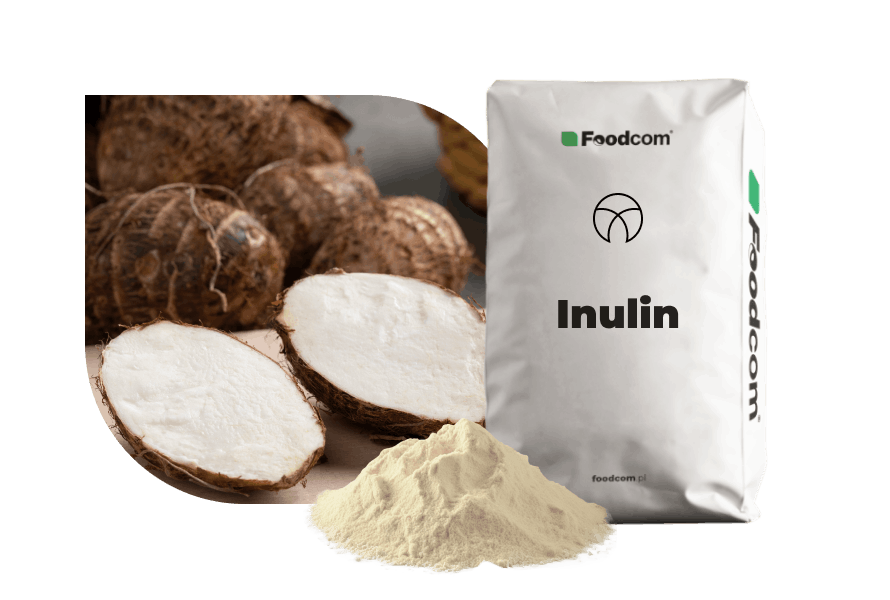
Inulin

Inulin

Prebiotic fibre — high-protein high-fiber matrix

from €7.50/kg
View on FDCM.eu →
Guar Gum

Guar Gum

Viscosity modifier for SPI beverage systems

from €3.09/kg
View on FDCM.eu →
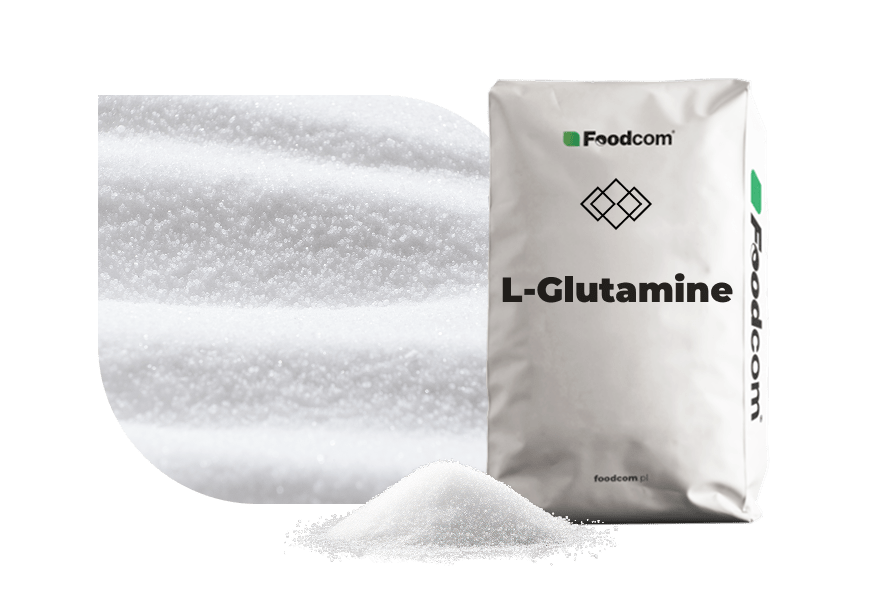
L-Glutamine

L-Glutamine

Amino acid enrichment for sport nutrition blends

from €12.45/kg
View on FDCM.eu →
Technical FAQ

Soy Protein Isolate — Frequently Asked Questions

12 in-depth answers for food scientists, procurement managers and product developers. Covers protein quality, formulation, regulatory compliance and ordering.

FDCM's SPI contains ≥90% crude protein on a dry basis (N×6.25, Kjeldahl method) with maximum 7% moisture. The PDCAAS score is 0.99 — the highest possible value, reflecting a complete essential amino acid profile comparable to casein and whey. The DIAAS score typically measures 0.90–0.98 depending on processing conditions.

PDI (Protein Dispersibility Index) measures the percentage of protein that disperses in water under standardised conditions. PDI ≥70 grades are fully dispersible — ideal for RTD beverages, protein shakes and liquid nutritional products. PDI ≤8 grades are sparingly soluble and form firm heat-set gels — essential for extruded meat analogues, fermented protein products and structured applications. Using low-PDI SPI in a beverage will cause visible sedimentation and phase separation. Always specify your application when requesting SPI from FDCM.

Soy flour (~50–55% protein) is simply ground defatted soy flakes with minimal processing. Soy Protein Concentrate (SPC, 65–70% protein) removes water-soluble carbohydrates but retains dietary fibre and most oligosaccharides. Soy Protein Isolate (SPI, ≥90% protein) removes virtually all non-protein compounds via alkali extraction and acid precipitation, yielding the highest protein concentration with significantly reduced raffinose and stachyose content — the oligosaccharides responsible for flatulence in lesser-processed soy ingredients.

Soy protein's isoelectric point (pI) is approximately pH 4.5. At this pH, the protein carries no net charge, causing minimum solubility (as low as 10%) and maximum aggregation. This is why acid-pH beverages (carbonated drinks, fruit juices at pH 3–4.5) require careful stabiliser systems or special SPI grades. For stable dispersions, formulate at pH <3.5 or >6.0. Between pH 4.0–5.5, always run stability trials before scale-up.

Yes. FDCM supplies IP-documented non-GMO SPI with full supply chain traceability documentation including segregation certificates from origin. EU Organic certified SPI (Regulation 2018/848) is available on request — lead times are typically 3–4 weeks longer than standard grades. For non-GMO claims on EU market products, identity-preserved documentation confirming <0.9% adventitious GMO presence is provided in accordance with Regulation (EC) No 1829/2003.

SPI exhibits the highest emulsification capacity among commercially available plant proteins. Its Emulsification Activity Index (EAI) measures 45–65 m²/g at pH 7 — approximately 2× pea protein isolate (20–28 m²/g) and 3× rice protein concentrate (15–22 m²/g). This superiority stems from SPI's high proportion of amphiphilic β-conglycinin (7S fraction), which rapidly adsorbs at oil-water interfaces. For mayonnaise-style emulsions, dressings and coffee creamers, SPI at 0.5–2% effectively replaces egg yolk lecithin functionality.

Store SPI at ≤25°C in dry conditions (RH ≤65%) in sealed original bags. Original 20 kg multi-layer kraft paper bags with PE inner liner provide adequate moisture barrier for 24 months from production date. Key degradation pathways: lipid oxidation (despite low fat content, trace unsaturated fatty acids oxidise and cause off-flavours), protein aggregation from humidity exposure, and loss of functional properties (particularly dispersibility) from heat. Once a bag is opened, seal tightly and use within 30 days.

Soy is listed as a major allergen under EU Food Information Regulation 1169/2011, Annex II. All products containing SPI must declare 'soya' with emphasis (bold, italics or underline) in the ingredient list. There is no minimum threshold — even trace amounts require declaration. Important: this applies regardless of non-GMO or organic status. The only soy-derived ingredient exempt from allergen labelling is fully refined soy oil/fat (due to minimal protein content). Non-GMO labelling and allergen declaration are completely separate requirements.

SPI contains two major storage protein fractions. β-conglycinin (7S, ~35–40% of total protein) is a trimeric glycoprotein (MW 150–200 kDa) primarily responsible for emulsification, foam formation and solubility. Glycinin (11S, ~35–40%) is a hexameric protein (MW 300–380 kDa) with inter- and intra-molecular disulfide bonds, primarily responsible for gelation, film formation and heat-induced aggregation. The 7S/11S ratio varies by soybean variety and processing temperature — high-11S SPI (preferred for meat analogues) has a 7S/11S ratio of ~0.5:1, while standard SPI is typically ~1:1.

SPI/WPC blends are one of the most cost-effective strategies in sport nutrition formulation, combining whey's fast leucine delivery with SPI's sustained amino acid release. The most researched ratio is 30% SPI + 70% WPC 80. Whey protein peaks in plasma leucine at 60–90 minutes post-ingestion, while SPI extends elevation to 3–5 hours — a profile similar to, though not as pronounced as, casein. For night-time recovery products, increase SPI to 50–70%. For acute post-workout use, keep SPI ≤30% to preserve the leucine spike critical for mTORC1 activation.

The Maillard reaction between SPI's lysine ε-amino groups and reducing sugars (glucose, fructose, maltose) begins above ~50°C and accelerates significantly above 120°C. In practical terms: spray drying at high inlet temperatures (>200°C), extrusion, retort sterilisation and baking all carry browning risk. Available lysine loss of 5–25% has been documented in severe heat processing. To minimise: separate SPI addition from reducing sugars where possible, control spray-dry inlet temperature to ≤180°C, use non-reducing sweeteners (sucrose, steviol glycosides) in SPI-containing products, and avoid alkaline pH during heating (pH 9+ greatly accelerates Maillard).

FDCM offers SPI from 1 bag (20 kg) for development and sampling purposes up to full container quantities (17–20 MT). Sample orders (1–5 bags, ~20–100 kg): 3–5 business days from Warsaw. Standard pallet orders (20–25 bags, ~400–500 kg): 5–7 business days. Full pallet layer orders (500–2,000 kg): 7–10 business days. Container orders (17–20 MT): 14–21 business days depending on current stock levels. All EU27 countries covered by standard freight. Freight-inclusive (DDP and DAP) quotations available. Contact contact@fdcm.eu with your quantity, delivery country and required grade.

We use cookies — essential only. Privacy Policy.